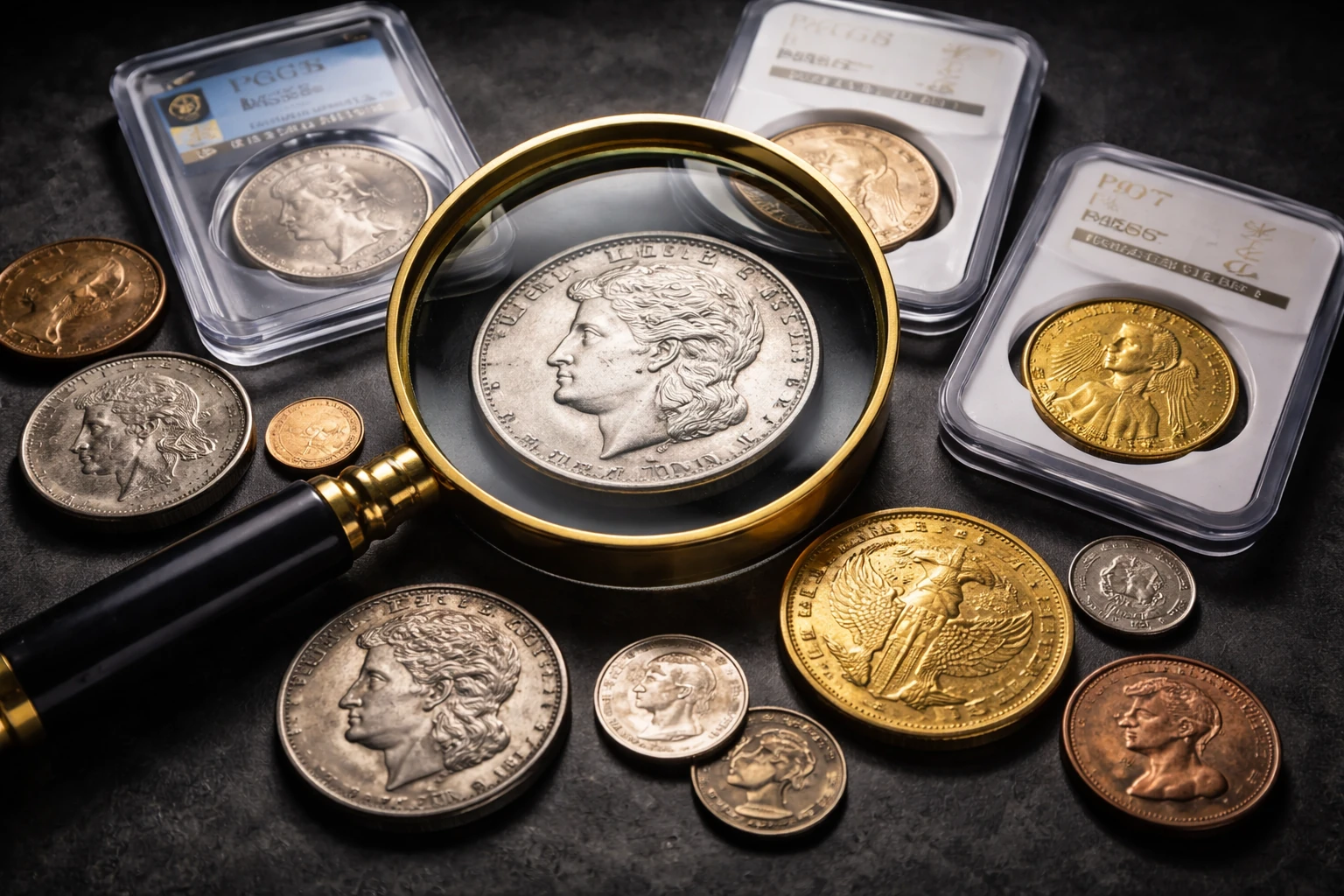
Type “coyyn.com rare coins” into Google and you’ll run into a strange mix of results. Some pages suggest Coyyn is tied to rare coin collecting or even selling. Others read like generic guides dressed up with a keyword that doesn’t quite match a real-world coin dealer or auction house. And if you click through to Coyyn itself, you’ll find something else entirely.
That disconnect matters more than it might seem. Rare coins are a market where confusion can cost real money, and vague branding doesn’t help. So before you even think about buying, selling, or valuing a coin tied to this keyword, it’s worth stepping back and asking a basic question: what is “coyyn.com rare coins,” and does it point to anything you can actually trust?
The answer is not as clean as the search results suggest. But if you follow the thread carefully, you can get something useful out of it.
What “coyyn.com rare coins” Actually Refers To
Start with the source. The Coyyn-branded website that appears in search results presents itself as a digital finance platform, with content related to online payments, banking, and cryptocurrency. There’s no clear evidence that it operates as a traditional rare coin marketplace, dealer network, or auction house.
That said, the phrase “coyyn rare coins” shows up across several third-party articles. These pages often read like standard beginner guides to coin collecting—what makes coins rare, how grading works, and why some pieces sell for millions. The keyword appears woven into the text, but without solid links to actual coin listings, certification systems, or verified inventory.
Here’s where it gets interesting. Some of those pages openly treat the phrase as a search tactic rather than a defined brand category. In other words, “coyyn.com rare coins” may function more as an SEO hook than as a meaningful destination for collectors.
So what does this actually mean for someone searching it? Most likely, they’re looking for reliable information about rare coins, not necessarily Coyyn itself. The keyword is just the doorway.
Why the Confusion Matters
Rare coin collecting isn’t like buying a book online or picking up a pair of shoes. Value depends on a mix of factors that can’t be eyeballed in a second, and pricing swings can be dramatic. A coin that looks ordinary to a beginner might sell for thousands. Another that looks impressive could be worth only its metal content.
When search results blur the line between real marketplaces and generic content, it becomes harder to know where to trust the information. And trust is everything here. A serious coin purchase usually involves certification numbers, grading standards, and auction records—not just a description on a webpage.
But here’s the thing. Even if “coyyn.com rare coins” doesn’t lead to a dedicated coin platform, the search still opens the door to a real question: how do you evaluate rare coins in the first place?
What Makes a Coin Rare
The word “rare” gets thrown around casually, but in numismatics it has a specific meaning. Rarity is not just about age. Plenty of old coins are common, and some relatively modern coins are scarce.
The first factor is mintage—the number of coins originally produced. Low-mintage coins tend to be rarer, but that’s only part of the story. Survival rate matters just as much. If most of those coins were melted down, lost, or damaged, the remaining examples become more valuable.
Condition plays a huge role. A coin graded near perfect can be worth many times more than the same coin in worn condition. That’s where professional grading services come in, assigning scores on a 1 to 70 scale that collectors use as a benchmark.
Demand is the final piece. A coin can be objectively scarce, but if collectors aren’t chasing it, prices stay modest. On the other hand, coins tied to historical moments or famous stories often attract intense interest, pushing values higher.
How Coin Grading and Certification Work
If you’re new to rare coins, grading might feel like a black box. But it’s one of the most important systems in the market. Independent companies such as the Professional Coin Grading Service (PCGS) and the Numismatic Guaranty Company (NGC) examine coins and assign grades based on condition.
Each certified coin receives a unique identification number, which can be checked in the company’s database. That number connects to details about the coin’s grade, type, and sometimes its history. This process helps prevent fraud and gives buyers a way to verify what they’re getting.
The grading scale runs from 1 to 70, with higher numbers indicating better preservation. A coin graded 65 or above is considered in mint state, while lower grades show increasing wear. The difference between grades can mean thousands of dollars, even for the same coin.
There’s a catch, though. Not every coin is graded, and not every seller follows strict standards. That’s why experienced collectors tend to rely on certified coins or trusted dealers rather than raw, unverified pieces.
The Role of Auction Records and Market Data
One of the clearest ways to understand coin value is through auction results. Major auction houses regularly publish sale prices, offering a real-world snapshot of what collectors are willing to pay.
A well-known example is the 1933 Double Eagle, a U.S. gold coin that sold for $18.9 million in June 2021. That number sounds extraordinary—and it is—but it also shows how rare the high end of the market truly is. Most coins trade far below that level.
The numbers tell a different story for everyday collectors. Many coins that are considered “rare” sell in the hundreds or low thousands, depending on condition and demand. That doesn’t make them uninteresting, but it does put the market into perspective.
For anyone researching coins tied to keywords like “coyyn.com rare coins,” auction archives and certification databases are far more reliable than generic articles. They show what’s actually happening in the market.
Red Flags in Online Rare Coin Content
When you start reading about rare coins online, patterns emerge quickly. Some articles are carefully researched, citing grading standards and market data. Others lean heavily on broad claims without evidence.
One red flag is vague language. If a site describes coins as “extremely valuable” without giving specific grades, certification details, or comparable sales, it’s not telling you much. Another is the absence of third-party verification. Serious coin listings almost always reference PCGS or NGC certification numbers.
You’ll also notice inflated expectations. Articles that suggest rare coins are easy investment wins often gloss over the risks. Prices can rise, but they can also stagnate for years, especially if demand shifts.
The keyword “coyyn.com rare coins” often leads to content that sits in this gray area. It may explain basic concepts, but it doesn’t always connect them to verifiable data or real listings.
Where Beginners Should Actually Start
If you came to this topic hoping to learn about rare coins, the good news is that reliable information is available. You just have to look beyond keyword-driven pages.
Organizations like the American Numismatic Association provide educational resources and help connect collectors with reputable dealers. Certification services like PCGS and NGC offer online tools to verify coins and study population reports.
The U.S. Mint’s educational materials are another useful starting point. They explain basic concepts in plain language, which helps build a foundation before you move into more advanced collecting.
That said, the most valuable step is simple: slow down. Don’t rush into a purchase based on a single article or search result. Take time to compare prices, verify certifications, and understand what you’re looking at.
The Investment Question: Are Rare Coins Worth It?
People often arrive at this topic because they’re thinking about investment. Rare coins have a long history as collectibles, and some have delivered strong returns over time. But they’re not a shortcut to easy profits.
Prices depend heavily on collector demand, which can change. Economic conditions, trends, and even shifts in taste can affect what buyers are willing to pay. A coin that’s popular today might lose momentum later.
There are also costs to consider. Certification fees, dealer premiums, and auction commissions all eat into potential gains. And unlike stocks, coins don’t produce income while you hold them.
Not everyone agrees on the best approach. Some collectors treat coins purely as a hobby, valuing history and craftsmanship over financial returns. Others focus on investment-grade pieces, relying on data and long-term trends. Both paths are valid, but they require different expectations.
Frequently Asked Questions
Frequently Asked Questions
What is coyyn.com rare coins?
The phrase “coyyn.com rare coins” appears in search results but does not clearly point to a dedicated rare coin marketplace. The Coyyn site itself focuses on digital finance content, while many pages using the keyword are general coin guides rather than verified listings or dealer platforms.
Is Coyyn a legitimate rare coin seller?
There is no clear evidence that Coyyn operates as a traditional rare coin dealer or auction house. Most references to rare coins tied to Coyyn appear in third-party articles rather than in documented inventory or certified sales.
How can I tell if a rare coin is genuine?
The safest approach is to rely on coins certified by recognized grading services like PCGS or NGC. These organizations assign grades and provide verification numbers that you can check online to confirm authenticity and condition.
Why are some coins worth millions?
Coins reach extremely high prices when they combine rarity, historical significance, and strong collector demand. The 1933 Double Eagle is a well-known example, selling for $18.9 million in 2021 due to its unique history and scarcity.
Should beginners buy rare coins online?
Buying online can be safe if you use trusted platforms and verify certifications. However, beginners should take extra care, research prices, and avoid listings that lack clear grading or authentication details.
Are rare coins a good investment?
Rare coins can hold value over time, but they are not guaranteed investments. Prices depend on demand, condition, and market trends, and returns are not always predictable.
Read also: Dan and Shay Wife Died? Truth About the Rumor
Conclusion
The phrase “coyyn.com rare coins” tells a story about how people search for information online. It looks specific, but it leads to a mix of finance branding, generic content, and loosely connected explanations. That doesn’t mean the topic is useless—it just means you have to read it carefully.
For collectors, the real value lies in understanding how the coin market works. Rarity, grading, demand, and verified data matter far more than any single keyword. Once you focus on those fundamentals, the noise around search terms becomes easier to ignore.
That said, the confusion around Coyyn highlights a broader issue. The internet is full of content that sounds authoritative but doesn’t always connect to real-world systems. Learning to spot that difference is part of becoming a smarter buyer.
If you came here looking for rare coins, you’re better off leaving with a method than a shortcut. Check certifications, study auction results, and take your time. That approach won’t promise quick wins, but it will help you avoid costly mistakes—and that’s what matters most in a market built on trust.