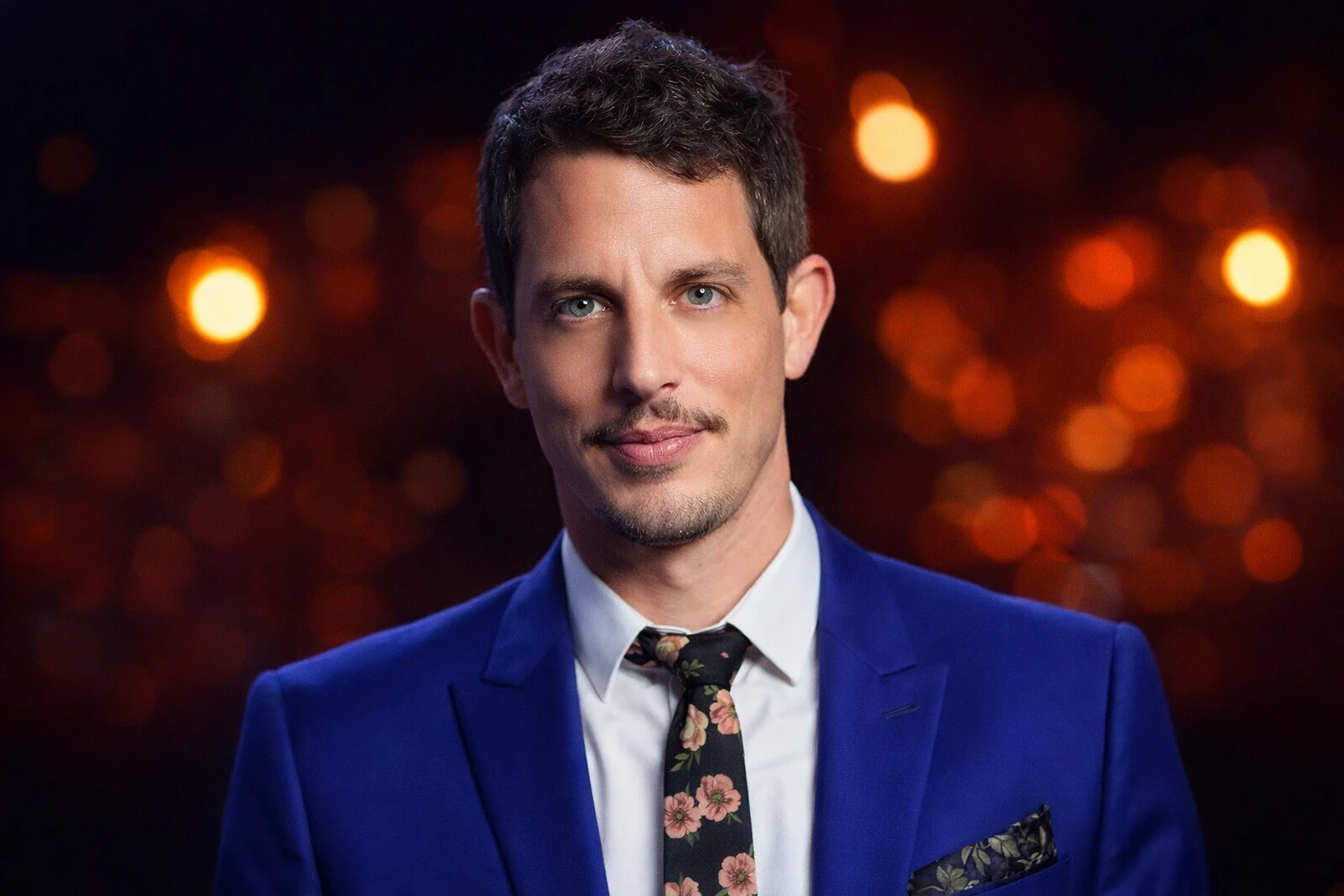
Tony Hinchcliffe built a career on saying the things most comedians avoid. His style—tight, aggressive, and unapologetically blunt—earned him a following that stretches from comedy clubs to YouTube arenas and, more recently, Netflix. But behind the persona is a steady climb that began in Ohio and turned into a multi-platform business anchored by one idea: live comedy that feels unpredictable and raw.
People searching his net worth are really asking a broader question. How does someone known for roast jokes and a cult podcast turn that into millions? The answer isn’t a single paycheck or a lucky break. It’s a mix of writing gigs, touring, ownership, and timing—especially when podcast culture and live comedy began to merge in new ways.
Early Life and Family
Tony Hinchcliffe was born on June 8, 1984, in Youngstown, Ohio, a city that has long struggled with economic decline. He was raised by a single mother, and his upbringing was modest, shaped more by survival than comfort. Growing up in a tough environment gave him an edge early on, something he later channeled into his stage persona.
Comedy became a way to navigate that environment. Hinchcliffe has often pointed to stand-up as both an escape and a skill set, a way to respond quickly and control a room. That instinct—being able to read tension and flip it into laughter—would later define his approach to roasting and crowd work.
He graduated from Ursuline High School and, like many aspiring comedians, made a decision that changed his path. Instead of staying close to home, he moved to Los Angeles in 2007, chasing an uncertain future in comedy. It was a risk, but one that placed him in the center of the industry he wanted to break into.
Finding His Voice at The Comedy Store
Los Angeles offered opportunity, but it also came with competition. Hinchcliffe started out working the phones at The Comedy Store, one of the most important comedy clubs in the country. It was a common entry point for comics, but staying there required more than ambition.
He absorbed the rhythm of the room, watching seasoned comedians night after night. Over time, he began performing, and his style quickly stood out. He leaned into insult comedy, delivering sharp, controlled jokes that felt closer to roast battles than traditional stand-up.
That approach caught the attention of other comedians. Hinchcliffe began writing for high-profile roast events, including Comedy Central’s celebrity roasts. His writing credits helped him build credibility in an industry that values punchlines above everything else.
Not many people know this, but writing for roasts can be as valuable as performing them. It puts a comedian in rooms with influential figures and opens doors to new opportunities. For Hinchcliffe, it became a stepping stone to something bigger.
The Birth of Kill Tony
In 2013, Hinchcliffe co-created Kill Tony with producer Brian Redban. The concept was simple but effective. Comedians—often amateurs—would perform one minute of stand-up, followed by immediate feedback from Hinchcliffe and a panel of guests.
Here’s where it gets interesting. The show wasn’t just a podcast; it was a live event with an audience, which gave it energy that most comedy podcasts lacked. The unpredictability became its signature, and that unpredictability drew viewers in.
Over time, Kill Tony grew into a traveling show. It expanded beyond Los Angeles and found a strong base in Austin, Texas, after Hinchcliffe relocated there around 2020. Austin’s growing comedy scene, fueled in part by Joe Rogan’s move, created the perfect environment for the show to thrive.
The format allowed Hinchcliffe to do what he does best. He could critique, joke, and push boundaries in real time, all while keeping the audience engaged. That mix of structure and chaos turned Kill Tony into a brand, not just a show.
Career Breakthrough and Expanding Reach
While Kill Tony built a loyal following, Hinchcliffe also pursued traditional stand-up success. His Netflix special One Shot, released in 2016, showcased his ability to perform in a single continuous take. It was a technical and creative challenge that set him apart from other comedians.
In 2020, he released Making Friends on YouTube, reaching a broader audience without relying on traditional distribution. The move reflected a shift happening across comedy, where digital platforms offered more control and direct access to fans.
But the real turning point came later. In 2025, Netflix announced a deal to stream Kill Tony specials, bringing the show into a global spotlight. The agreement included multiple specials, signaling that the platform saw long-term value in the format.
The truth is, this kind of deal doesn’t just boost visibility. It changes the financial equation. With streaming exposure, ticket demand often increases, and brand partnerships become more viable. Hinchcliffe’s career began to operate on a larger scale.
Controversy and Public Backlash
Hinchcliffe’s style has always been risky, and at times, that risk has led to backlash. In 2021, he faced criticism after using a racial slur during a performance, which resulted in being dropped by his agency at the time. The incident sparked debate within the comedy community about boundaries and accountability.
That said, his career did not disappear. Instead, he continued performing, and his audience remained engaged. For some fans, his willingness to push limits was part of the appeal. For others, it raised serious concerns about where those limits should be.
In October 2024, Hinchcliffe appeared at a rally at Madison Square Garden, delivering a set that again drew public attention and criticism. Moments like these have shaped how he is perceived, both within and outside comedy.
But here’s the thing. Controversy can cut both ways. While it can close doors in mainstream spaces, it can also strengthen loyalty among certain audiences. Hinchcliffe’s career reflects that tension.
Income Streams and Business Model
Understanding Tony Hinchcliffe’s net worth requires looking at how he makes money. Unlike traditional entertainers who rely heavily on film or television salaries, his income comes from multiple sources.
Live touring is a major component. Comedy tours generate revenue through ticket sales, merchandise, and sometimes premium experiences. Hinchcliffe’s tours often sell well, particularly in cities where Kill Tony has a strong following.
Then there’s Kill Tony itself. The show generates income through live events, sponsorships, and digital platforms. Its YouTube presence, with millions of subscribers, contributes through advertising and monetization.
Writing work, though less visible, has also played a role. Early in his career, writing for roasts provided both income and connections. Over time, those connections helped him transition into higher-paying opportunities.
Streaming deals, like the Netflix agreement, add another layer. While exact figures are not public, such deals typically include licensing fees and potential bonuses tied to performance.
Tony Hinchcliffe Net Worth in 2026
Estimates of Tony Hinchcliffe’s net worth vary, but many widely cited sources place it around $10 million as of 2026. It’s important to understand what that number represents. It’s not a confirmed figure from public records but an estimate based on career earnings, assets, and industry comparisons.
The numbers tell a story, though. A comedian with a successful touring schedule, a long-running live show, and a Netflix deal is likely earning at a level consistent with that estimate. Still, without financial disclosures, any figure should be treated as approximate.
What’s surprising is how much of that value is tied to ownership. Hinchcliffe’s involvement in Kill Tony means he benefits directly from its growth. That kind of control can be more valuable than one-time payouts.
At the same time, expenses matter. Touring costs, production expenses, and team salaries all factor into net worth. So while the headline number is useful, it doesn’t tell the whole story.
Personal Life and Public Image
Hinchcliffe tends to keep his personal life relatively private. He was previously married to Charlotte Jane, though the relationship later ended. Beyond that, he rarely shares details about his private life, choosing instead to focus on his work.
His public image is closely tied to his stage persona. He presents himself as sharp, confrontational, and quick-witted, qualities that resonate with his audience. That persona can blur the line between performance and reality, especially for those unfamiliar with his style.
There’s a catch, though. Maintaining that image requires consistency. Fans expect a certain tone, and deviating from it can affect how he’s received. Hinchcliffe has managed to stay true to his voice, even when it comes with risk.
Recent Projects and Current Work
As of 2026, Hinchcliffe remains active on multiple fronts. His touring schedule continues, with shows across major cities and appearances at comedy festivals. Kill Tony remains central to his work, both as a live event and a digital series.
The Netflix specials have expanded his reach, introducing the show to viewers who may not have encountered it on YouTube or in person. This broader audience could shape the next phase of his career.
He is also part of a larger comedy ecosystem in Austin, which has become a hub for stand-up in recent years. The city’s growth as a comedy destination has created opportunities for collaboration and experimentation.
What happens next will likely depend on how he balances growth with authenticity. Expanding too far into mainstream territory could change the tone of his work, while staying too niche could limit his reach.
Frequently Asked Questions
What is Tony Hinchcliffe’s net worth in 2026?
Tony Hinchcliffe’s net worth is commonly estimated at around $10 million. This figure is based on publicly available information about his career, including touring, podcasting, and streaming deals. It is not a confirmed number from financial records, so it should be viewed as an approximation. Still, his steady growth and multiple income streams support that general range.
How does Tony Hinchcliffe make money?
Hinchcliffe earns money through stand-up tours, his show Kill Tony, writing work, and streaming deals. Live performances are a significant source of income, especially with sold-out shows. The Kill Tony brand also generates revenue through digital platforms and sponsorships. His Netflix deal has added another layer to his earnings.
What is Kill Tony and why is it successful?
Kill Tony is a live comedy show where performers get one minute on stage before receiving feedback. Its success comes from its unpredictability and audience interaction. The format keeps viewers engaged and creates viral moments. Over time, it has grown into a major platform for both new and established comedians.
Did controversies affect Tony Hinchcliffe’s career?
Controversies have impacted his public image and led to professional consequences, such as losing representation. However, they have not ended his career. He continues to perform and maintain a strong fan base. In some cases, controversy has even increased attention around his work.
Is Tony Hinchcliffe still active in comedy?
Yes, Tony Hinchcliffe remains active as of 2026. He continues to tour, produce Kill Tony, and release new content. His involvement in the Austin comedy scene keeps him connected to a growing network of performers. His career shows no signs of slowing down.
Read also:How to Host Blooket: Step-by-Step Guide for Teachers
Conclusion
Tony Hinchcliffe’s career is a study in persistence and adaptation. He started in a small Ohio city, worked his way into one of the toughest comedy scenes in the country, and carved out a space that feels entirely his own. His success didn’t come from following a traditional path but from creating something that audiences couldn’t find elsewhere.
The question of his net worth leads to a larger understanding of how modern comedians build wealth. It’s no longer just about television appearances or movie roles. It’s about owning content, building a loyal audience, and staying relevant across platforms.
That said, his journey hasn’t been without friction. Controversies have tested his standing, forcing him to navigate the balance between artistic freedom and public reaction. Those moments have shaped not only his career but also how he is perceived.
Looking ahead, Hinchcliffe’s future will likely depend on how he manages growth. The opportunities are there, from larger deals to broader audiences. The challenge will be maintaining the edge that made him stand out in the first place.