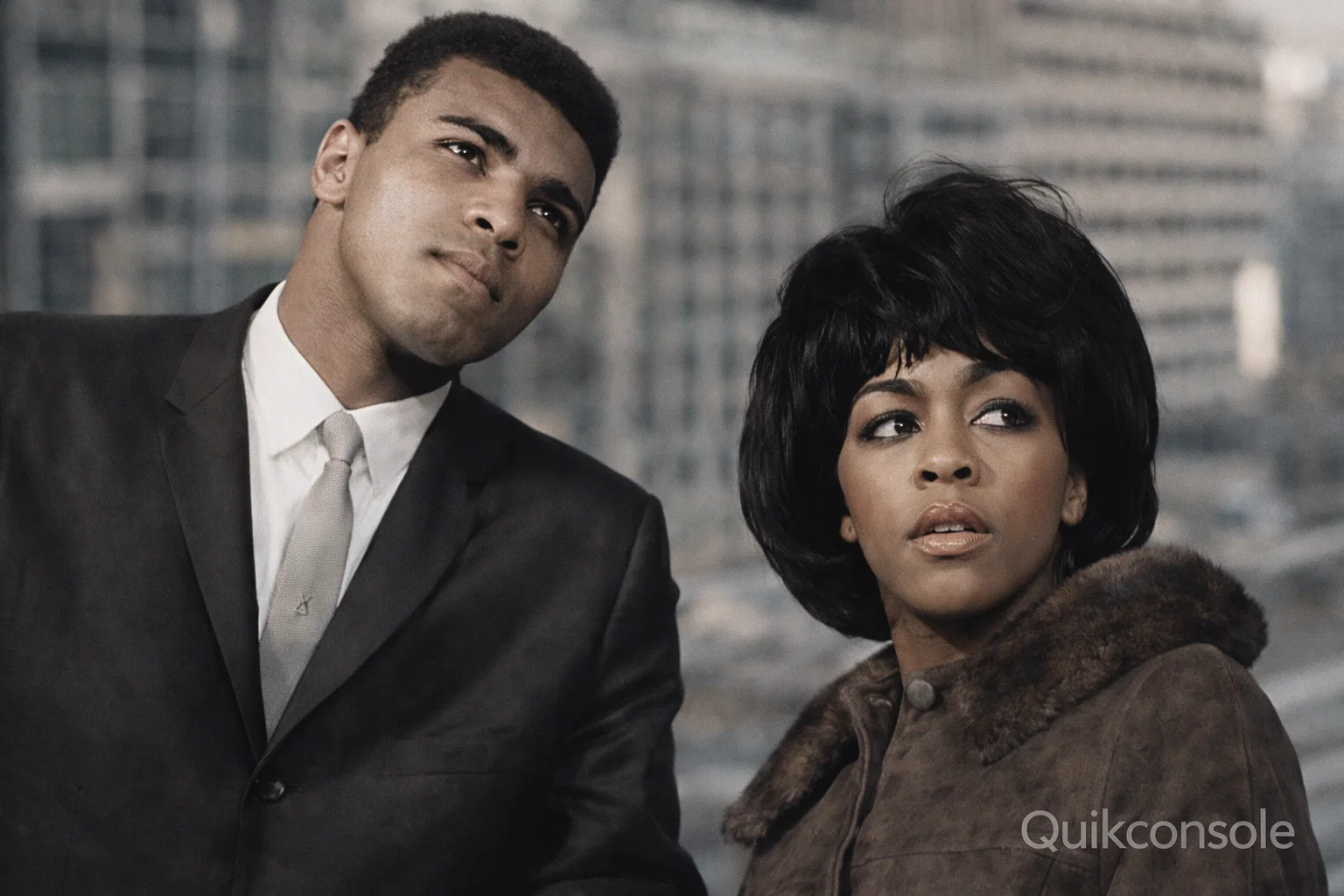
History often remembers the world’s greatest athletes through their victories, titles, and cultural influence. Yet behind many legendary figures are people whose stories remain largely untold. One such figure is Sonji Roi, best known as the first wife of boxing icon Muhammad Ali. Although her marriage to Ali was brief, her presence during the early years of his rise to fame places her in a unique position within sports and cultural history.
Sonji Roi’s life is frequently summarized in a few lines within biographies of Muhammad Ali. However, the woman behind the name had her own personality, ambitions, and experiences. Her relationship with Ali unfolded during one of the most dramatic periods of social change in American history. The civil rights movement, evolving cultural norms, and the rising influence of media all formed the backdrop of her short but highly public marriage.
Understanding Sonji Roi requires looking beyond headlines and focusing on the human story. Her life reflects the complexities of love, identity, fame, and personal independence in the shadow of one of the twentieth century’s most famous athletes.
Early Life of Sonji Roi
Sonji Roi was born on November 23, 1945, in Chicago, Illinois. Growing up in a vibrant urban environment during the 1940s and 1950s meant experiencing a rapidly changing America. Chicago at the time was a cultural hub, shaped by jazz, fashion, and an emerging Black middle class that sought opportunity and expression in a transforming society.
From an early age, Roi was known among friends as stylish, confident, and independent. She embraced fashion and social life, enjoying the excitement of city culture. Chicago’s nightlife scene during the early 1960s was energetic and glamorous, filled with clubs, music, and gatherings where young people explored new freedoms and identities.
This environment helped shape Roi’s outgoing personality. She was comfortable in social settings and enjoyed being part of the lively cultural atmosphere around her. These traits would later stand in contrast with the expectations placed upon her after marrying one of the most famous athletes in the world.
While detailed records of her education and early career remain limited, accounts of Roi often highlight her strong sense of individuality. She carried herself with confidence and embraced the fashion and lifestyle trends of the era. This independence would later become a key factor in the challenges that emerged within her marriage.
Meeting Muhammad Ali
Sonji Roi’s life changed dramatically when she met Cassius Clay, who would soon become known to the world as Muhammad Ali. Their meeting occurred during a period when Clay’s fame was rising rapidly after his victory over Sonny Liston in 1964.
At just twenty‑two years old, Clay shocked the boxing world by defeating Liston and becoming the heavyweight champion. His charisma, outspoken personality, and unmatched confidence made him an instant global celebrity. Around the same time, he publicly embraced Islam and adopted the name Muhammad Ali, signaling a profound transformation in his identity and beliefs.
Roi and Ali reportedly met in Chicago shortly after his championship victory. Their connection developed quickly. Both were young, charismatic, and drawn to the excitement surrounding Ali’s sudden rise to global fame. Within months, their relationship moved toward marriage.
On August 14, 1964, Sonji Roi and Muhammad Ali were married. The wedding marked the beginning of a relationship that would soon become one of the most discussed aspects of Ali’s personal life.
Marriage in the Spotlight
From the moment they married, Roi and Ali found themselves living under intense public attention. The mid‑1960s marked a period when media fascination with celebrity athletes was expanding rapidly. Ali’s outspoken personality, combined with his controversial religious conversion, placed him at the center of national discussion.
For Sonji Roi, this sudden visibility meant adjusting to life beside a man whose every move attracted headlines. Photographers frequently captured the couple together at airports, public appearances, and boxing events. She appeared elegant and confident in many of these images, often dressed in fashionable clothing that reflected her vibrant personality.
However, the marriage soon faced difficulties rooted in cultural expectations and personal differences. Ali’s growing commitment to the Nation of Islam introduced strict lifestyle expectations that conflicted with Roi’s independent spirit.
Roi enjoyed modern fashion and social activities, while Ali increasingly embraced a disciplined lifestyle guided by religious teachings. These differences created tension within their relationship.
Friends and observers often described Roi as someone who valued personal freedom and self‑expression. She enjoyed wearing fashionable clothing and participating in social gatherings. Meanwhile, Ali’s evolving beliefs encouraged a more conservative lifestyle for his household.
These contrasting perspectives gradually placed strain on the marriage.
Challenges Within the Relationship
The pressures surrounding the couple were not limited to personal differences. They were also navigating an extraordinary moment in American cultural history.
Muhammad Ali had become more than an athlete. He was emerging as a powerful symbol of Black pride and political independence. His association with the Nation of Islam drew both admiration and criticism from the public and media.
In this environment, Ali’s personal life was closely scrutinized. His marriage became part of the larger narrative surrounding his identity transformation.
For Sonji Roi, the situation was complicated. She was not only adjusting to marriage but also to the expectations placed upon the wife of a globally recognized champion undergoing profound personal change.
Accounts from the period suggest that Ali’s religious mentors strongly encouraged him to pursue a lifestyle consistent with their teachings. This created additional pressure within the relationship.
Roi’s independent personality did not easily align with these expectations. Over time, disagreements and lifestyle differences intensified, making the marriage increasingly difficult to sustain.
Divorce and Life After the Marriage
After less than two years together, Sonji Roi and Muhammad Ali separated. Their divorce was finalized on January 16, 1966.
Although the marriage was brief, it remained historically significant because it occurred during one of the most transformative periods in Ali’s life. Soon after the divorce, Ali continued to rise as both a sports legend and a political figure.
Roi, on the other hand, gradually stepped away from the spotlight. Unlike many individuals connected to famous athletes, she did not pursue media attention or attempt to capitalize on her association with Ali.
Instead, she lived a relatively private life following the end of the marriage. Details about her later years remain limited, reflecting her preference for staying out of the public eye.
Her decision to maintain privacy contributed to the mystery that still surrounds her story today. While Ali’s life has been documented in countless books, documentaries, and articles, Roi’s personal narrative has remained largely in the background.
Sonji Roi in Popular Culture
Even though Roi lived much of her life outside the spotlight, her connection to Muhammad Ali ensured that she remained part of cultural discussions about the legendary boxer.
One of the most notable portrayals of Sonji Roi appeared in the 2001 film Ali, directed by Michael Mann. In the film, actress Jada Pinkett Smith portrayed Roi, offering audiences a glimpse into the emotional complexity of Ali’s early relationships.
The film presented Roi as a strong‑willed woman navigating the challenges of marriage to a man whose life was changing dramatically. While cinematic portrayals inevitably simplify real lives, the role helped reintroduce Roi to a new generation interested in Ali’s story.
Over the years, historians and writers exploring Ali’s life have also revisited Roi’s role during his early fame. These discussions often highlight how her story reflects the broader tensions between personal freedom and public expectation during the 1960s.
Remembering Sonji Roi Today
Sonji Roi passed away on October 11, 2005, in Chicago at the age of fifty‑nine. Although her life did not remain in the public spotlight, her connection to Muhammad Ali continues to attract curiosity from historians, boxing fans, and cultural observers.
What makes Roi’s story compelling is not simply her marriage to a legendary athlete. It is the way her life reflects the complexities of identity and independence during a pivotal moment in American history.
She entered Ali’s life when he was transitioning from Cassius Clay, a confident young champion, into Muhammad Ali, a global symbol of courage and conviction. That transformation changed not only Ali’s life but also the lives of those closest to him.
Roi’s experience illustrates how personal relationships can become intertwined with historical events. Her brief marriage unfolded during a time when religion, race, politics, and celebrity culture were colliding in dramatic ways.
Because of this context, Roi remains an important figure in understanding the early years of Muhammad Ali’s journey.
Legacy and Historical Significance
Although Sonji Roi is not widely documented in historical archives, her presence during the formative years of Muhammad Ali’s fame gives her a meaningful place in sports history.
Her story represents more than a short marriage. It reflects the human side of celebrity and the personal struggles that can exist behind public triumph.
In many ways, Roi symbolizes the individuals whose lives intersect with history without becoming its central focus. These stories often remain quieter, but they help reveal the emotional and social dimensions of famous events.
Today, renewed interest in overlooked figures has encouraged historians and readers to revisit stories like Roi’s with greater care. Her life invites a broader conversation about how women connected to influential men are remembered.
Rather than existing only as a footnote in Muhammad Ali’s biography, Sonji Roi deserves recognition as a person who experienced the intensity of fame, cultural change, and personal independence during a remarkable era.
Read Also: Melodie Kelly: A Life in Opera and the Quiet Power Behind a Star
Conclusion
The story of Sonji Roi is both simple and complex. On the surface, she is remembered as Muhammad Ali’s first wife during the early years of his historic boxing career. Yet beneath that brief description lies a deeper human narrative.
Roi lived at a crossroads of culture, fame, and social transformation. Her marriage to Ali occurred during a time when the world was watching him reinvent himself as both an athlete and a symbol of social change.
While her life after the marriage remained largely private, her role in Ali’s early journey ensures that her name continues to appear in discussions of his legacy.
More importantly, Sonji Roi’s story reminds us that history is shaped not only by iconic figures but also by the people whose lives intersect with them. Her experience reflects the personal realities behind public legends and offers a glimpse into the complex human relationships that exist within historic moments.
Remembering Sonji Roi means acknowledging the quieter stories that surround greatness. In doing so, we gain a fuller understanding of the lives, emotions, and choices that shape the history we remember today.