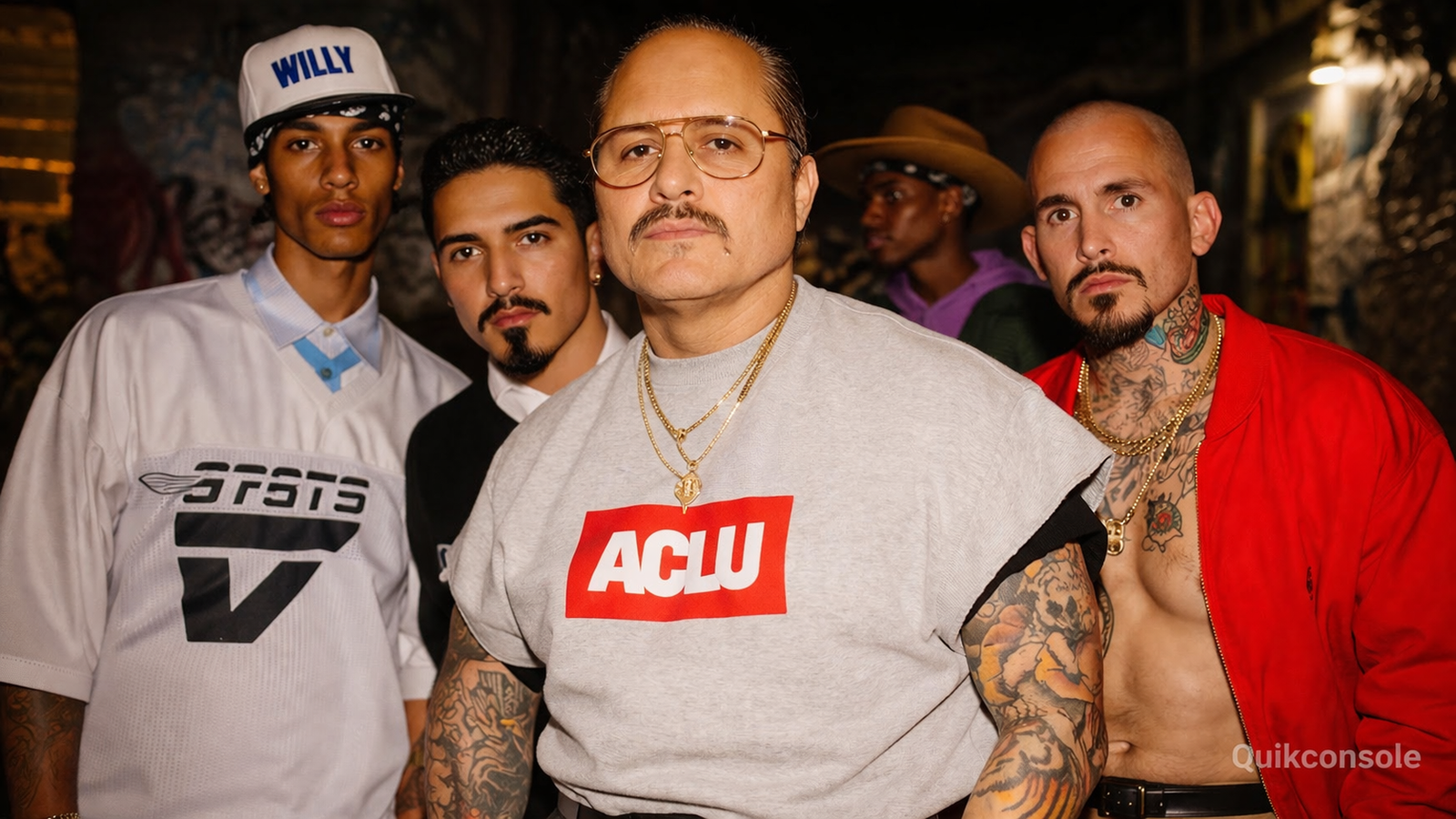
In today’s fashion world, where trends often come and go with startling speed, few designers manage to build something lasting. Willy Chavarria is one of those rare figures. His work does more than dress the body—it tells a story about identity, culture, and dignity. Over the past decade, he has emerged as one of the most influential voices in American menswear, not by following fashion’s rules, but by rewriting them.
Chavarria’s journey is not simply about creative success. It is about transformation—of personal experience into artistic vision, and of that vision into a global brand that speaks to people across cultures. His rise reflects a deeper shift in fashion itself, where authenticity and cultural storytelling now matter as much as aesthetics.
Early Life and Cultural Roots
Willy Chavarria was born and raised in California’s San Joaquin Valley, a region defined by agricultural labor and immigrant communities. His upbringing in this environment shaped his worldview in profound ways. Surrounded by working-class families, many of whom were of Mexican heritage, he observed how people expressed pride and identity through clothing even when resources were limited.
This early exposure to style as a form of self-respect would later become central to his design philosophy. For Chavarria, fashion was never about luxury alone. It was about presence. It was about being seen in a world that often overlooked people like those he grew up with.
He has often reflected on how these formative experiences influenced his understanding of masculinity, culture, and resilience. The men in his community dressed sharply not for fashion approval, but for dignity. That idea would later translate into the bold silhouettes and commanding presence of his collections.
Education and Early Career
Before entering the fashion world, Chavarria studied graphic design. This background gave him a strong visual sensibility and an understanding of branding that would later prove essential. His early career included work with established companies such as Joe Boxer, where he learned the mechanics of mass-market fashion.
He later gained experience at major brands like Ralph Lauren and American Eagle Outfitters. These roles exposed him to both luxury aesthetics and large-scale production. Importantly, they also taught him how to navigate the business side of fashion, something many designers struggle with.
During this period, Chavarria began refining his own creative voice. While he appreciated the structure of corporate fashion, he also recognized its limitations. He wanted to create something more personal, something rooted in his own identity rather than dictated by market trends.
Launching His Own Label
In 2015, Willy Chavarria launched his eponymous label. From the beginning, it stood apart from conventional menswear brands. Instead of focusing on minimalism or trend-driven pieces, he embraced bold shapes, dramatic tailoring, and cultural symbolism.
His collections drew inspiration from a wide range of influences, including Chicano culture, streetwear, club scenes, and classic American tailoring. The result was a distinctive aesthetic that felt both familiar and entirely new. Wide-leg trousers, oversized jackets, and structured silhouettes became signature elements of his work.
What made the brand especially compelling was its emotional depth. Each collection carried a message. Whether addressing issues of identity, inequality, or belonging, Chavarria used fashion as a platform for storytelling.
A Distinct Design Philosophy
At the heart of Willy Chavarria’s work is a clear philosophy: clothing should empower the wearer. His designs are intentionally bold, often featuring exaggerated proportions that command attention. These silhouettes are not merely stylistic choices—they are statements about presence and power.
He draws heavily from cultural references such as the zoot suit, a garment historically associated with resistance and identity among marginalized communities. By reinterpreting such symbols in a modern context, Chavarria connects past and present, creating pieces that feel both historical and contemporary.
His work also challenges traditional notions of masculinity. Rather than adhering to rigid definitions, he explores fluidity and expression. This approach resonates strongly with younger audiences who seek authenticity and inclusivity in the brands they support.
Recognition and Industry Impact
As his brand gained momentum, the fashion industry began to take notice. Chavarria received widespread acclaim for his ability to blend cultural storytelling with high-end design. His collections were praised for their originality and emotional resonance.
A defining moment in his career came when he won the CFDA American Menswear Designer of the Year award. This recognition not only validated his work but also signaled a broader shift in the industry. Designers with strong cultural perspectives were no longer on the margins—they were leading the conversation.
Chavarria’s influence extends beyond the runway. He has become a voice for representation in fashion, advocating for greater inclusivity and awareness. His work challenges the industry to look beyond traditional standards and embrace a more diverse understanding of beauty and style.
Expanding Reach Through Collaborations
In recent years, Willy Chavarria has expanded his reach through strategic collaborations. These partnerships have allowed him to bring his design language to a wider audience while maintaining the integrity of his brand.
His collaboration with adidas marked a significant step into the world of sportswear. By combining his signature silhouettes with athletic design, he created pieces that were both functional and expressive. The partnership highlighted his ability to adapt his vision across different contexts.
Another major milestone was his collaboration with Zara. This project introduced his aesthetic to a global audience at a more accessible price point. Rather than diluting his vision, the collection retained the core elements of his style, including strong tailoring and cultural references.
These collaborations demonstrate Chavarria’s versatility as a designer. They also reflect a broader trend in fashion, where boundaries between luxury and mass market continue to blur.
Cultural Influence and Social Commentary
What sets Willy Chavarria apart is his commitment to using fashion as a form of social commentary. His work often addresses themes such as immigration, identity, and inequality. Through his collections, he creates a dialogue that extends beyond the runway.
This approach resonates with audiences who are increasingly looking for meaning in the products they consume. In a world saturated with fast fashion and fleeting trends, Chavarria offers something deeper—a sense of connection and purpose.
He has spoken openly about the importance of addressing real-world issues through his platform. For him, fashion is not separate from society. It is a reflection of it. This perspective has earned him respect not only as a designer but also as a cultural figure.
The Business of Authenticity
Despite his strong artistic vision, Chavarria has also demonstrated a keen understanding of business. His ability to balance creativity with commercial viability has been key to his success.
His brand has grown steadily, gaining placement in high-end retailers and attracting a loyal customer base. Unlike many designers who struggle to scale their businesses, Chavarria has managed to expand without losing his identity.
This success highlights an important shift in the fashion industry. Consumers are increasingly drawn to brands that feel authentic and meaningful. Chavarria’s work embodies these qualities, making it particularly relevant in today’s market.
Legacy in the Making
Willy Chavarria’s career is still unfolding, but his impact is already clear. He has redefined what American menswear can be, bringing new voices and perspectives into the spotlight.
His work challenges traditional ideas of fashion while honoring the cultures that inspire it. In doing so, he has created a brand that feels both personal and universal.
As he continues to evolve, the question is not whether he will remain relevant, but how far his influence will reach. His ability to adapt, innovate, and stay true to his roots suggests that his legacy is only just beginning.
Read Also: Elisa Gayle Ritter: A Detailed Look at Her Life, Family, and Legacy
Conclusion
Willy Chavarria’s story is one of vision, resilience, and cultural expression. From his early days in California’s Central Valley to his rise as an internationally recognized designer, he has remained committed to authenticity. His work stands as a testament to the power of fashion as a tool for storytelling and change.
In an industry often driven by trends, Chavarria offers something more enduring. He creates clothes that carry meaning, that reflect identity, and that challenge the status quo. That is what makes his work not only relevant today, but significant for the future of fashion.