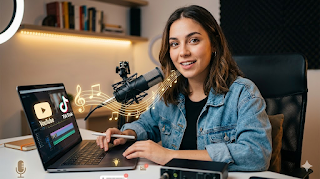
Creating high-quality voiceovers for YouTube and TikTok used to be a time-consuming process that required recording equipment, editing effort, and a controlled environment. Today, AI-powered tools have changed that workflow completely by allowing creators to convert written scripts into natural-sounding audio within minutes.
For content creators, marketers, and even small businesses, this shift means faster production, consistent output, and the ability to scale content without depending on manual recording. This guide breaks down exactly how to turn text into engaging voiceovers using AI tools, along with strategies that actually improve results.
How does text-to-speech technology work for modern creators
AI voice generation tools rely on advanced machine learning models that are trained on large datasets of human speech. These systems analyze written text and convert it into spoken audio that closely mimics natural human tone, rhythm, and pronunciation.
When a creator inputs a script, the system processes several elements:
- Sentence structure
- Punctuation
- Context and tone
Based on this, it generates audio output that sounds increasingly realistic compared to older robotic systems.
Most modern tools also offer:
- Multiple voice types, such as male and female
- Different accents and speaking styles
- Support for 50+ languages
For creators, this means you are not limited to one voice or style. You can adapt your audio depending on your content type, audience, and platform requirements. This flexibility is one of the main reasons AI voice technology is becoming a core part of industry-leading content blogs.
Why are AI voiceovers becoming essential for YouTube and TikTok
Content platforms are evolving fast, and consistency plays a major role in growth. YouTube rewards regular uploads, while TikTok thrives on frequent and engaging short-form content.
AI voiceovers solve multiple challenges that creators face:
- No need for recording equipment
- No background noise issues
- Faster production turnaround
- Consistent tone across videos
How can you turn text-to-speech into video voice-overs
Turning scripts into professional voiceovers is now a streamlined process using platforms like invideo, where text to speech tools are designed specifically for creators who want fast and reliable results.
The process begins with writing a clear and structured script. Once your script is ready, you can input it into the tool and select a voice that aligns with your content style. The generated audio can then be used directly in your videos, helping you maintain consistency across your content.
After generating the voiceover, it is important to refine the delivery by adjusting your script. Small changes such as shortening sentences, adding pauses, or simplifying wording can significantly improve how natural the voice sounds. This step is often overlooked but plays a major role in overall quality.
As your content grows, combining voice generation with an ai video generator can help streamline the entire workflow. This allows creators to move from script to complete video much faster, making it easier to produce content at scale without compromising consistency.
What steps should you follow to create high-quality AI voiceovers
Creating effective voiceovers is not just about using a tool. The quality of your input directly affects the output, so having a structured approach is important.
Start by writing a script that feels conversational. Avoid overly complex sentences and focus on clarity. The goal is to make the content easy to understand when spoken.
Next, choose the right voice based on your audience and platform. For example:
- A calm and clear voice works well for educational videos
- A more energetic tone suits short-form content
Once the audio is generated, review it carefully. Listen for unnatural pauses or awkward phrasing and refine your script accordingly.
Finally, align your voiceover with your video flow. The pacing should match your visuals to keep viewers engaged throughout the content.
How can you optimize scripts for better AI voice output
Script optimization is one of the most important yet underrated aspects of AI voice generation. Not all written content translates well into speech, so adjustments are necessary to capture the right tone for biographical storytelling and personal narratives.
Focus on writing the way people naturally speak. This includes:
- Using simple and direct language
- Breaking long sentences into shorter ones
- Adding punctuation to guide pauses
For example, instead of writing a dense paragraph, break it into smaller sections. This helps the AI understand pacing and improves clarity.
Reading your script out loud is another effective technique. If it sounds natural when spoken, it will likely perform well when converted into audio.
Consistency in tone also matters. Avoid switching between formal and casual language within the same script, as it can affect the overall flow of the voiceover.
What types of content perform best with AI voiceovers
AI voiceovers are versatile, but certain types of content benefit more due to their structure and audience expectations.
High-performing formats include:
- Explainer videos
- Educational tutorials
- Product demonstrations
- Story-based content
- Social media tips
For TikTok, short and engaging scripts with a strong hook work best. On YouTube, longer content allows for deeper explanations and storytelling.
Matching your content style with the platform is key. Short-form content should be direct and attention-grabbing, while long-form content can include more detailed insights.
Understanding this difference helps creators maximize engagement and retention.
How do you make AI-generated voiceovers sound more human
Even though AI voices have improved significantly, achieving a natural sound still requires some manual input and refinement.
One effective method is to control pacing through punctuation. Commas and periods help guide the rhythm of speech. Strategic pauses can make the audio feel more natural.
You can also improve output by:
- Using contractions like “it’s” instead of “it is.”
- Avoiding repetitive phrases
- Adding variation in sentence length
Another important factor is tone alignment. Make sure your script matches the intended emotion of your content. For example, an educational video should sound calm and informative, while a TikTok video can be more energetic.
Small adjustments in script writing can significantly improve the final audio quality.
How can AI voice tools help scale your content strategy
Scaling content is one of the biggest challenges for creators and businesses. Tools powered by speech synthesis make this process more efficient by reducing production time and effort.
Instead of recording each voiceover manually, you can:
- Create multiple scripts in one session
- Generate voiceovers quickly
- Maintain a consistent voice across all content
This is particularly useful for:
- Faceless YouTube channels
- Content marketers
- Social media managers
By automating voice generation, creators can focus more on strategy, research, and content planning rather than execution.
Over time, this leads to faster growth and better content output without increasing workload.
Read Also: Annie Bakes: The Journey of a Passionate Baker
Conclusion
AI-powered voice generation has reshaped how creators approach video content for platforms like YouTube and TikTok. Converting text into natural-sounding speech eliminates the need for recording equipment and simplifies the entire production process.
With the right combination of clear scripting, voice selection, and optimization techniques, creators can produce professional-quality voiceovers at scale. As content demands continue to grow, adopting AI tools for voice generation is no longer optional but a practical step toward building an efficient and sustainable content strategy.